
.jpg)
US stocks were uneven throughout the week but managed to retain most of their gains from the prior week following the October inflation report that came in below expectations. Speculation over the path of interest rates from the US Federal Reserve remains the critical issue facing investors. Further economic data last week delivered mixed messages on inflation. The US Producer Price Index, which measures price pressures facing suppliers, rose 8% in October compared to a year ago. That rate remains high but was lower than the 8.4% increase seen in September, suggesting that supply chain issues continue to improve. However, retail sales rose a seasonally adjusted 1.3% in October, rebounding after consumer spending was flat in September. US consumers still had $1.7 trillion in excess savings, though higher credit card balances suggest that savings cushion is dwindling. Weekly jobless claims fell last week, showing that the labor market remains strong despite the news headlines of layoffs in the tech sector. Taken together, these data suggest that inflation may have peaked, but remains high as consumer demand remains resilient. The Dow Jones Industrial Average ended the week flat, while the S&P 500 and Nasdaq Composite saw modest declines. Meanwhile, the yield on the 10-year US Treasury note ended the week up at 3.817%, though still far below its level preceding the inflation print.
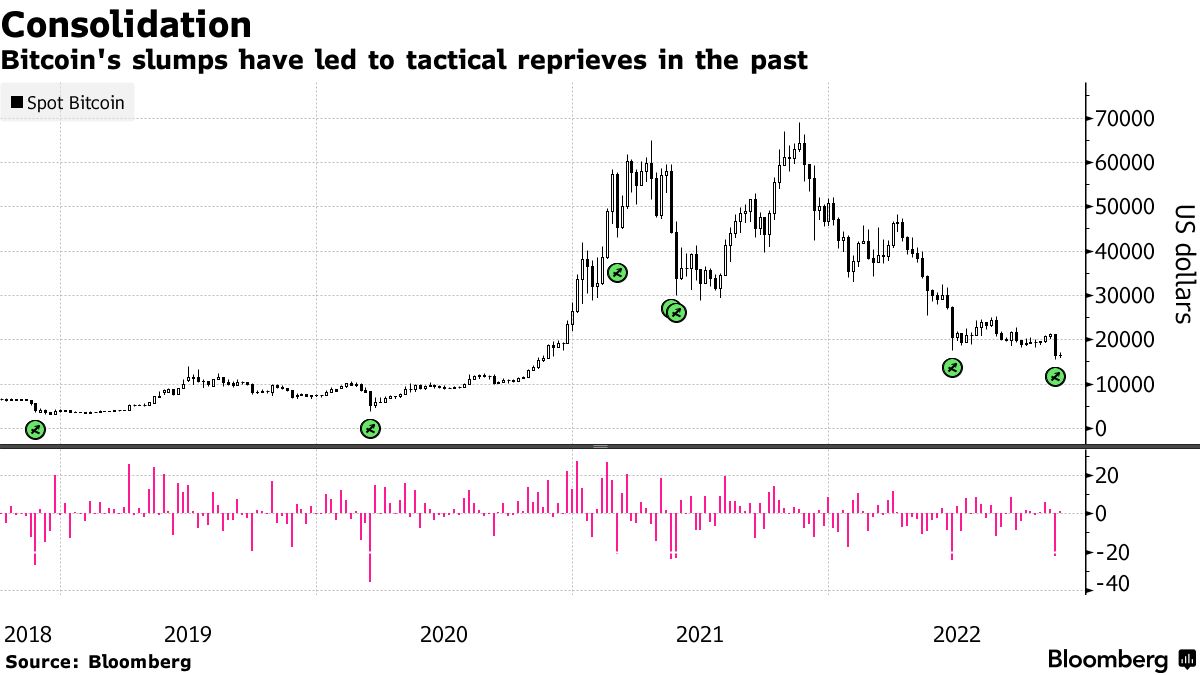
Based on the recent rally in traditional financial markets, it would not be obvious that during the same time the world of cryptocurrencies was melting down. The major crypto currency exchange FTX recently declared bankruptcy after it was unable to meet customer demands for redemption of tokens they had previously deposited with the exchange. It has since come to light that FTX loaned customer assets to its affiliated trading arm Alameda, which was against its company policy. The assets were potentially moved over to cover losses after Alameda’s leveraged bets turned against it as the market value of crypto currencies fell from its peak of $3 trillion down to $800 billion, the level where it started 2021. There are now risks of contagion through the many interconnected linkages within the crypto ecosystem, with other lending platforms and exchanges likely to see bankruptcy in the coming weeks. Thankfully, this so far does not appear to pose a systemic risk to the rest of the traditional financial system. While blockchain was pitched with promises of how it would revolutionize finance, the difference currently being exhibited is the lack of regulations separating business functions, transparency rules, deposit insurance, and liquidity backstops that all help to protect the traditional financial system. Though individual retail investors and venture capital investors may suffer losses, institutional investors such as US pensions had very limited exposure. Nearly all of the largest 10 US pension funds reported they were not invested in crypto currencies in any capacity. Bitcoin dropped by 23% following the announcement of FTX’s bankruptcy, but since has stabilized and gained 3% over last week.

 860-291-1998
 Schedule Demo