
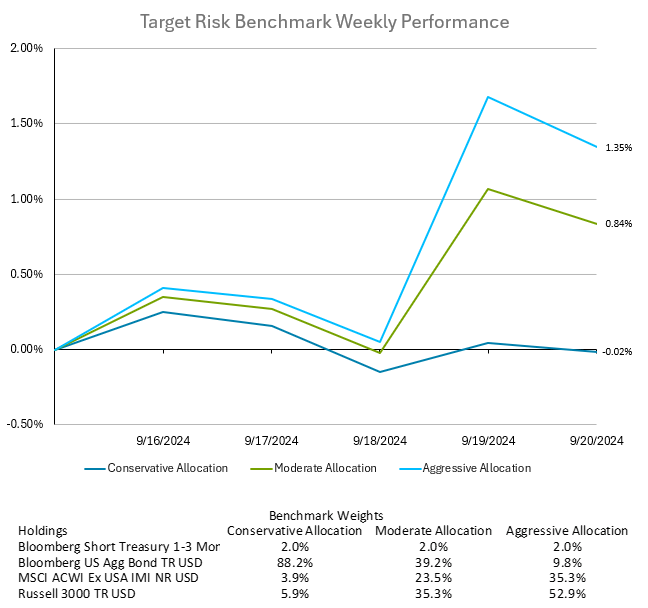
US stocks fluctuated on Friday due to the expiration of derivatives contracts and a significant rebalancing. The quarterly “triple witching” event involved the expiration of $5.1 trillion in derivatives and $250 billion in index trades, leading to volatility. Traders weighed differing views from Federal Reserve Governors: Christopher Waller supported a recent half-point interest-rate cut based on favorable inflation data, while Michelle Bowman warned that the move might be premature. Fed policymakers anticipate further rate cuts, but some, like JPMorgan CEO Jamie Dimon, are skeptical about the possibility of a smooth economic landing without a recession. Gold hit a record high above $2,600 per ounce amid geopolitical tensions, while the dollar strengthened and Treasuries were mixed. Amid optimism over Fed easing, Bank of America’s Michael Hartnett warned that the rally could lead to a bubble, making bonds and gold appealing hedges against inflation or recession. Meanwhile, the yen weakened after the Bank of Japan’s Governor Kazuo Ueda downplayed inflation risks and indicated no immediate rate hikes. This week, investors will focus on upcoming data releases, including PMI, GDP, and the Fed’s preferred inflation gauge, PCE, which could shape future market moves. Despite equities giving back some of Thursday’s gain to end the week, aggressive investors benefitted the most last week, as shown by the target risk benchmarks below. The aggressive target risk benchmark ended the week with a gain of 1.35%, while the moderate target risk benchmark recorded a healthy gain of 0.84%. The mixed performance of bonds for the week left the conservative target risk benchmark essentially unchanged for the week.
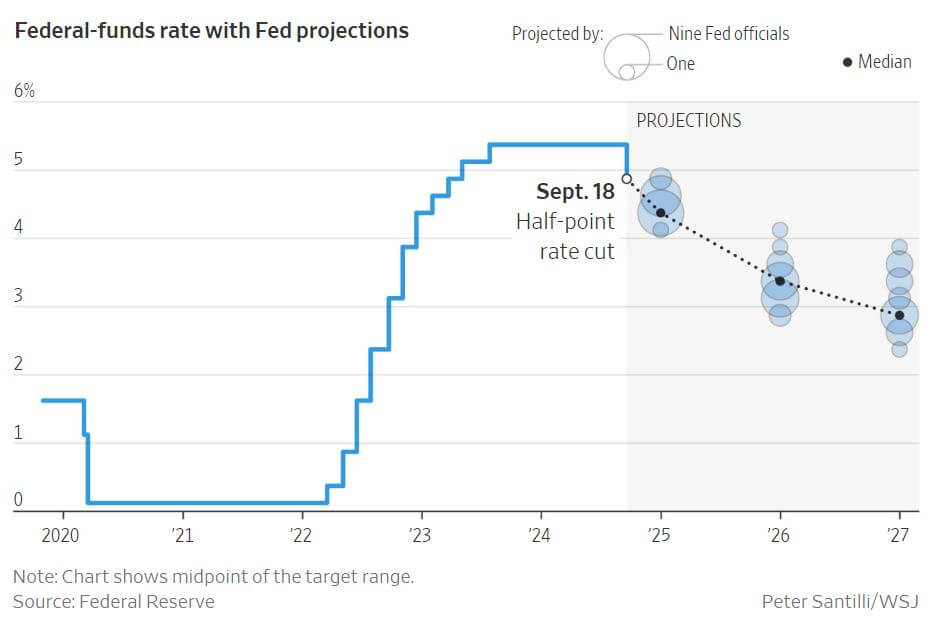
The Federal Reserve lowered interest rates by half a percentage point, marking its first reduction since 2020 and signaling a strategic shift from aggressive inflation control. This decision, backed by 11 of 12 voting members, brings the federal funds rate to a range between 4.75% and 5%. The move, larger than anticipated, reflects concerns over the labor market, as previous rate hikes have raised borrowing costs to a two-decade high. Fed Chair Jerome Powell emphasized maintaining economic strength and preventing further labor market deterioration, stating that the rate cut demonstrates the Fed's commitment to ensuring a "soft landing" without triggering a recession. The Fed’s decision offers immediate relief to consumers and businesses with variable-rate debts. However, there are lingering concerns about the broader impact of the cuts, particularly with lingering affordability issues in sectors like housing. Despite inflation cooling, signs of labor market softening, including rising unemployment, indicate caution. Economists remain divided over the effectiveness of the rate cuts in averting a slowdown, especially as many borrowers locked in lower rates before 2022. The central bank is navigating delicate economic conditions, aiming to balance inflation control with economic stability while avoiding the mistakes of past cycles. The decision underscores the Fed’s broader strategy to adjust rates cautiously, with officials projecting further reductions through 2025.
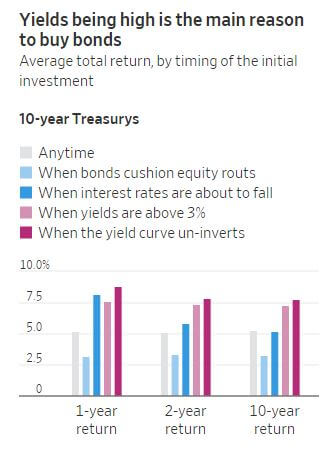
As the Federal Reserve transitions away from its two-year policy of elevated interest rates aimed at curbing inflation, the market is adjusting to a new era of rate cuts. With a half-point reduction in the Fed’s benchmark rate and projections of further cuts, investors are repositioning their portfolios to navigate the changing landscape. Saira Malik, chief investment officer at Nuveen, notes that while the labor market is cooling, a recession may still be on the horizon. She advises investors to look for fixed-income opportunities and high-dividend stocks, while cautioning against timing the market. Malik suggests focusing on quality assets that can withstand economic downturns. Rob Arnott, founder of Research Affiliates, is skeptical of both the Fed's and the market's projections on rate cuts, believing the impacts of past rate hikes may still hit the economy. He emphasizes value investing and international stocks, particularly in economies that have already experienced slowdowns, avoiding sectors that have already priced in rate cut expectations. Richard Bernstein, of Richard Bernstein Advisors, sees potential in smaller, cyclical companies. He believes that as corporate profit cycles accelerate, money will flow away from speculative tech stocks and into more traditional sectors like manufacturing and finance. However, he warns that speculative investments in cryptocurrencies and tech could still fuel inflation. Katie Nixon, CIO of Northern Trust Wealth Management, highlights that while cash has been a safe bet, the rate-cutting cycle will result in lower yields on cash. She advises focusing on defensive sectors like healthcare and infrastructure while hedging against inflation through Treasury inflation-protected securities. Lastly, Jack Ablin, of Cresset, anticipates that falling rates will shift capital from tech giants to smaller, interest-rate-sensitive companies. He also sees opportunities in foreign markets, particularly Japan, where currency normalization could boost returns. However, he remains cautious about international investments due to potential trade policy shifts under a new U.S. administration. In summary, investors are navigating a cautious optimism as the Fed cuts rates, with a focus on defensive strategies, international diversification, and quality over speculative growth.

 860-291-1998
 Schedule Demo